
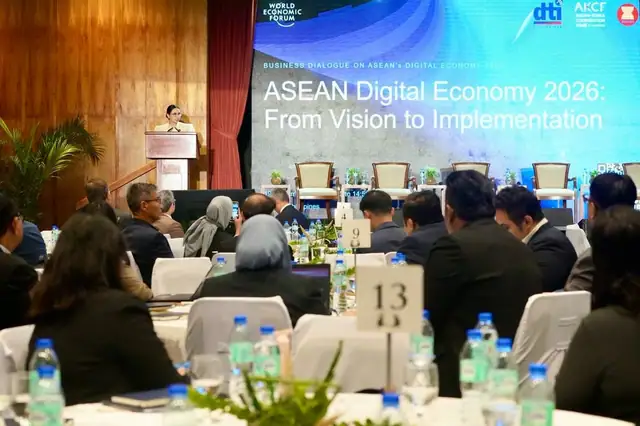
Buying products online, sending digital payments and running an online business could become easier across Southeast Asia as the Philippines pushes for stronger digital cooperation under its 2026 ASEAN chairship.
At the center of this initiative is the ASEAN Digital Economy Framework Agreement (DEFA), a regional pact designed to connect the digital economies of the 11 ASEAN member states through common rules and standards.
But what does this mean for ordinary Filipinos?
More markets for small businesses
For Filipino entrepreneurs and online sellers, DEFA could open opportunities to reach customers beyond the Philippines.
The agreement aims to make cross-border digital trade easier through improved e-commerce systems, electronic documentation and digital payment connectivity.
This could benefit small businesses selling local food products, clothing, handicrafts and other goods to customers in neighboring countries.
Easier digital transactions
DEFA also seeks to strengthen cooperation on electronic payments and digital financial services.
In the future, improved payment connectivity could make transactions between Filipino consumers, businesses and customers in other ASEAN countries more convenient.
However, this does not automatically mean lower bank charges or cheaper online purchases. Actual benefits will depend on how payment systems are connected and implemented.
Stronger protection against online scams
With more transactions happening online, consumer protection and cybersecurity are also major concerns.
DEFA covers data privacy, cybersecurity and online consumer protection, with the goal of promoting a safer and more trusted digital environment.
For Filipinos who regularly use online banking, digital wallets and shopping applications, stronger regional cooperation could help address cross-border cyber threats and online fraud.
New opportunities for Filipino workers
The agreement also promotes cooperation in artificial intelligence, digital skills and emerging technologies.
This could create opportunities for Filipino professionals in areas such as software development, cybersecurity, data analytics and other technology-related industries.
However, workers will still need the necessary training and qualifications to compete in the growing digital economy.
When will Filipinos feel the benefits?
ASEAN concluded negotiations on DEFA in Manila on May 29, 2026. Its signing was scheduled for November during the Philippines' ASEAN chairship.
But signing the agreement does not mean all its benefits will take effect immediately. Governments must still work on implementation, regulatory coordination and the development of supporting digital infrastructure.
Ultimately, DEFA aims to make Southeast Asia more connected digitally. For Filipinos, its real value will depend on whether it leads to wider business opportunities, more convenient transactions, stronger online protection and better access to digital jobs.
The goal is simple: a digital economy that works not just for big businesses, but for ordinary Filipinos, too.
