From water shortages to extreme heat, here's how households can prepare for the months ahead.
Hotter days, limited water supplies and possible food shortages could become bigger concerns for Filipino households as El Niño intensifies in the coming months.
The Philippine Atmospheric, Geophysical and Astronomical Services Administration (PAGASA) warned in a Sept. 23 advisory that the ongoing Strong El Niño could intensify into a Very Strong El Niño between September and December 2026 and persist through the first half of 2027.
El Niño typically brings warmer temperatures and below-normal rainfall to much of the Philippines. Prolonged dry conditions can affect agriculture, water supplies, energy production and public health.
While the forecast may sound alarming, preparing does not have to be complicated or expensive. Small changes at home can help families manage the heat, conserve water and avoid unnecessary expenses.
Here are five ways to prepare.
1. Get ready for hotter days
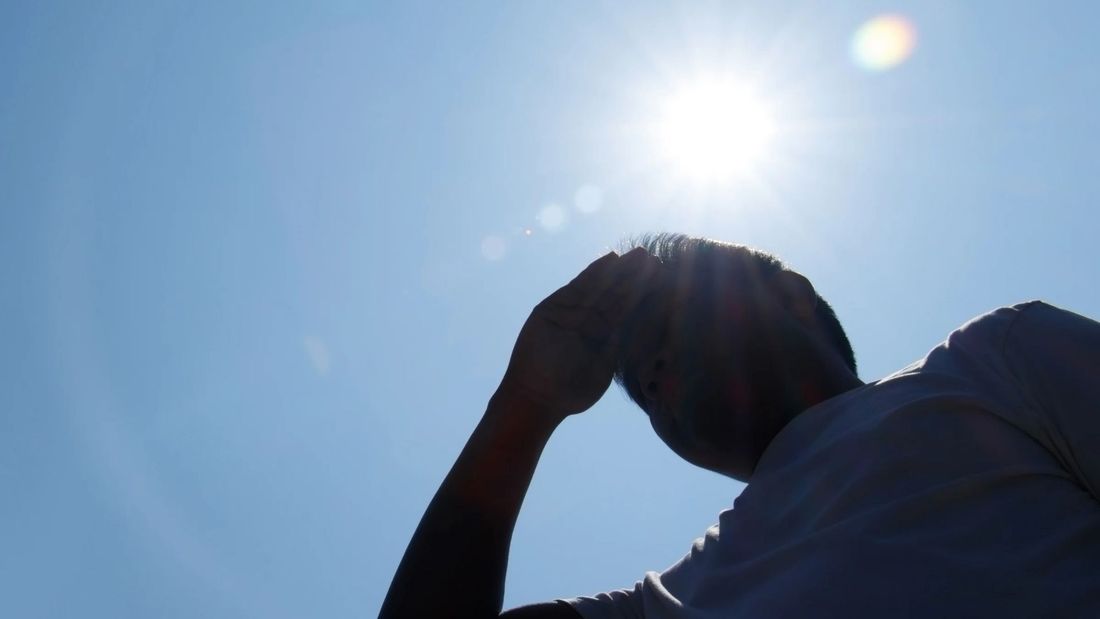
Extreme heat can make daily activities uncomfortable and increase the risk of heat-related illnesses.
Keep drinking water available, wear lightweight clothing and avoid strenuous outdoor activities during the hottest hours of the day. Whenever possible, stay in shaded or well-ventilated areas.
A rechargeable fan, power bank and cooling towel may also come in handy during power interruptions.
Watch for signs of heat exhaustion, including dizziness, headache, heavy sweating and nausea. Confusion, fainting or seizures may signal a heat stroke, which requires immediate emergency medical attention.
2. Start saving water now
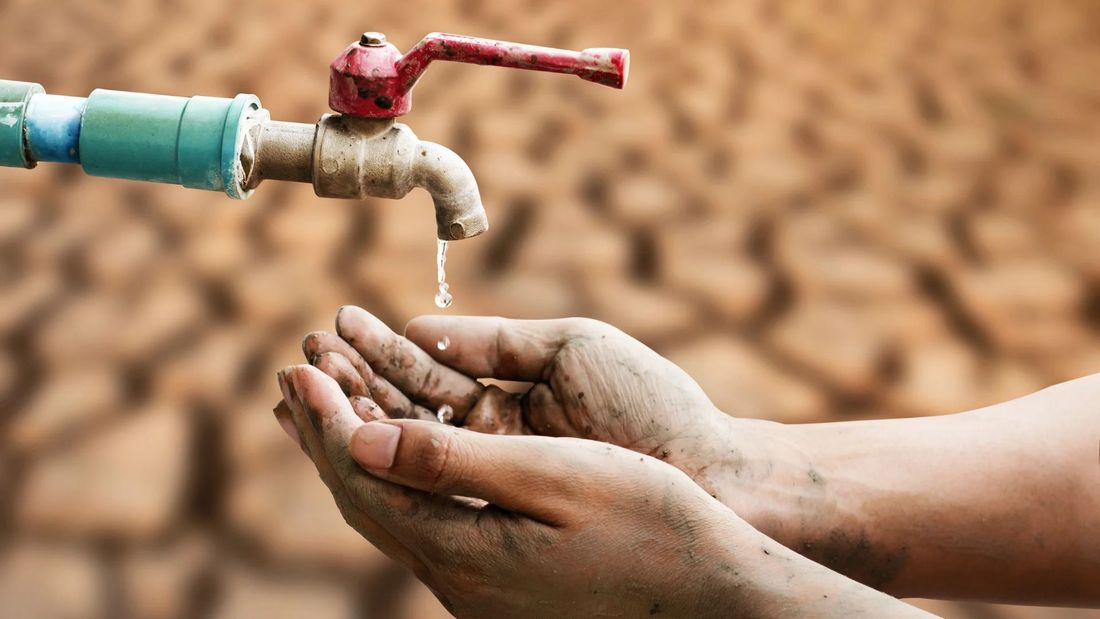
Water conservation becomes especially important when rainfall drops and supplies come under pressure.
Start with simple habits: Fix leaking faucets, take shorter showers and turn off the tap while brushing your teeth. Use a bucket and dipper instead of a running hose when cleaning or watering plants.
You can also collect rainwater for household tasks such as watering plants and cleaning outdoor areas. Keep it in covered containers to prevent contamination and mosquito breeding.
Remember: Untreated rainwater is not safe to drink. Use properly treated water for drinking and food preparation.
If your household has room, keep a supply of clean water in covered containers. Follow local government advisories on water interruptions and conservation measures.
3. Stock your pantry wisely
Drought can affect crop production and put pressure on food supplies. Although the impact on food prices remains uncertain, keeping a reasonable supply of essentials can help families avoid last-minute shopping.
Consider storing rice, canned goods, dried beans, noodles and other foods that are easy to prepare.
Keep food in airtight containers in a cool, dry place. Check expiration dates and use older supplies first.
You do not need to fill your pantry all at once. Buy according to your household's needs and budget, and avoid hoarding items that other families may also need.
4. Prepare for possible power interruptions
Hot weather can increase electricity demand as more households use electric fans and cooling appliances.
Keep your phones charged and prepare a power bank, rechargeable fan and flashlight. These can help you stay connected and comfortable during temporary outages.
Identify a shaded, well-ventilated area where your family can rest during particularly hot days.
If you use a generator, keep it outdoors and away from windows and doors. Never operate generators or fuel-burning appliances indoors because they can produce carbon monoxide, a dangerous gas that can cause serious illness or death.
5. Make your home and surroundings cooler
Preparing for El Niño also means looking at the spaces where you live.
Planting trees and maintaining green spaces can provide shade and help cool the surrounding area. Households can also collect rainwater for later use in gardens and outdoor cleaning.
At the community level, rain gardens, urban wetlands and permeable surfaces can help absorb rainfall and reduce runoff. These measures can also support groundwater replenishment when conditions allow.
While these solutions cannot prevent El Niño, they can help communities manage water more efficiently and make neighborhoods more comfortable during hot weather.
Don't let your guard down when it rains
El Niño does not mean the Philippines will stop experiencing heavy rainfall.
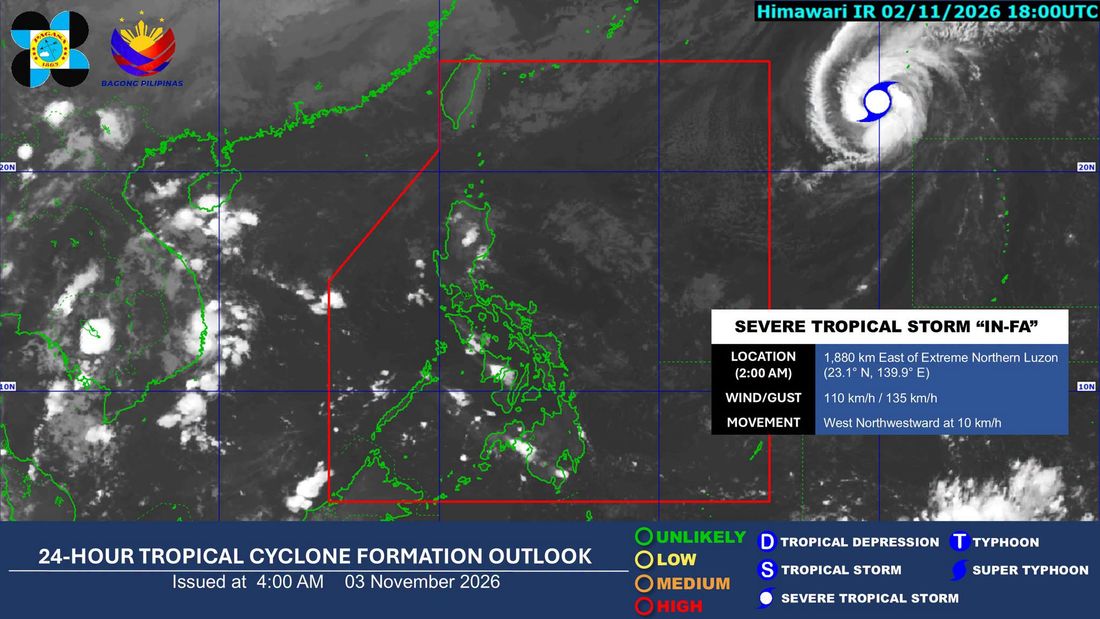
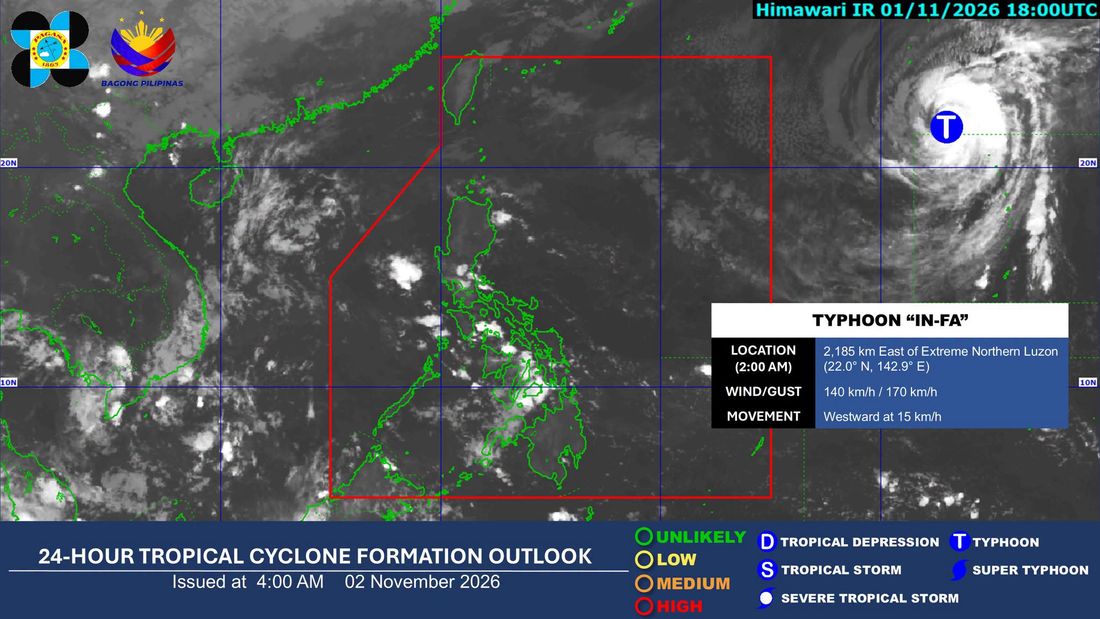
PAGASA noted that the Southwest Monsoon, locally known as Habagat, and active tropical cyclones may still bring localized heavy rain, particularly in western parts of the country.
That means drought preparedness should go hand in hand with flood preparedness.
Keep monitoring official weather updates, especially if you live in a flood-prone area or plan to travel. Secure important documents, keep emergency supplies accessible and follow evacuation advisories when necessary.
Prepare early, not in a panic
A Very Strong El Niño could put additional pressure on household budgets, water supplies and daily routines. But families can take practical steps now to reduce some of the strain.
Start by fixing leaks, keeping a modest supply of essential goods, preparing for extreme heat and staying informed about local conditions.
You do not need to prepare for everything at once. A few sensible changes today can help your household become more resilient in the months ahead.