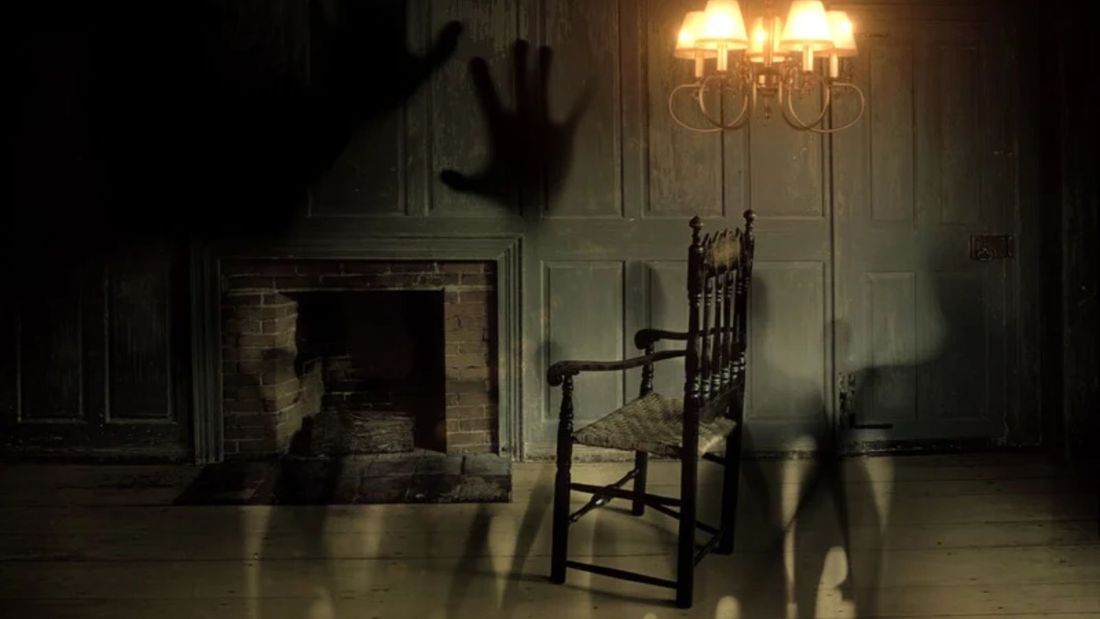
A shadow moves in the corner of your room. You hear a strange noise. Suddenly, your heart races.
For a moment, you wonder: May multo ba?
Even people who do not believe in ghosts can feel scared in the dark. But why? The answer lies in how our brains process fear, uncertainty and the unknown.
The Brain Fills in the Blanks
Fear is a survival mechanism. It helps humans recognize potential danger and react quickly. But sometimes, the brain gets it wrong.
According to a 2022 article published by Frontiers for Young Minds, fear can affect how people interpret what they see and hear.
In a dark room, a hanging jacket might look like a person. A creaking floor might sound like footsteps.
This happens partly because the brain tries to make sense of incomplete information. When it cannot clearly identify something, it may interpret familiar shapes or sounds as something frightening.
So, that figure in the corner? It might just be your jacket.
Why the Unknown Scares Us
Ghosts are often described as unpredictable, mysterious and impossible to explain. That combination makes them frightening.
A 2021 research review titled “Super-natural fears” found that supernatural fears can draw on the same psychological tendencies that help humans detect potential threats.
The fear can also come from stories we hear rather than experiences we have had ourselves.
Horror movies, urban legends and childhood stories can shape what we expect to see. When we enter a supposedly haunted place, every strange sound suddenly seems suspicious.
Sometimes, the fear begins before anything happens.
Can you scare yourself into seeing a ghost?
According to a 2023 BBC report featuring Chris French, head of the Anomalistic Psychology Research Unit at Goldsmiths, University of London, prior belief, context and hallucinations can help explain why people think they have encountered ghosts.
Imagine entering an old house. Someone tells you it is haunted. Suddenly, the creaking doors and cold air feel different. You become more alert, searching for anything unusual.
French and his team tested claims that infrasound and electromagnetic fields could cause ghost-like experiences. In their artificial haunted room, participants reported unusual sensations, but the researchers found that switching these factors on or off did not explain the experiences.
Suggestion appeared to play a role. In other words, expecting something scary can influence how you interpret what happens around you.
Why even skeptics get scared
Knowing that a shadow might be harmless does not always stop your heart from racing.
That is because understanding something logically and reacting to it emotionally are two different things.
Ghosts in horror films combine familiar threats with strange, unpredictable features. Darkness, sudden noises and unexpected movements make the brain anticipate danger.
You do not have to believe in ghosts to feel afraid. Sometimes, your brain simply reacts before you have time to think.
So, are ghosts real?
Science offers psychological explanations for why people report seeing ghosts and experiencing unexplained sensations. However, these explanations do not establish that supernatural beings exist.
According to the 2021 review, supernatural fears remain understudied, and more research is needed to understand how these fears develop and how best to address them.
What science does help explain is why an ordinary experience can feel extraordinary.
The next time you hear a strange noise in the middle of the night, pause before assuming the worst. Check your surroundings and consider what else might explain it.
Most likely, it is a brain trying to make sense of the dark. After all, sometimes the scariest thing in the room is not a ghost.